



Application areas
|
lEnergy Equipment Management Module
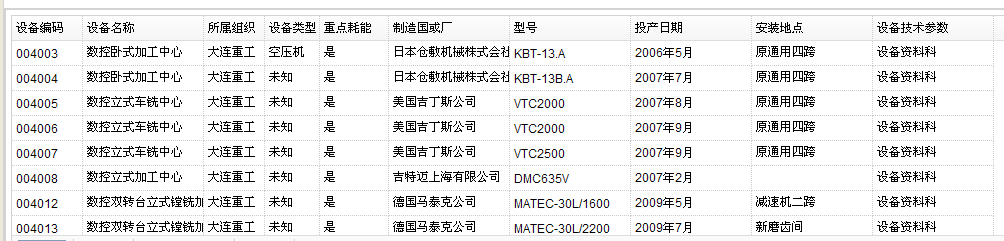
This functional module can manage the energy-consuming equipment ledger of the enterprise, helping energy management personnel classify and manage key energy-consuming equipment, obsolete equipment, energy-saving equipment, etc., facilitating the archiving and retrieval of equipment information. Its main functions include:
ØEnterprise Equipment Ledger
Upload and maintain the enterprise equipment ledger.
ØKey Energy-Consuming Equipment Ledger
Upload and maintain the enterprise key energy-consuming equipment ledger.
ØIn-Use Motor Ledger
Upload and maintain the enterprise in-use motor ledger.
ØObsolete Equipment Ledger
Upload and maintain the ledger of equipment eliminated by the enterprise each year.
ØComparison of Obsolete Equipment
According to the obsolete and eliminated equipment ledger published by the state, the system automatically checks whether the currently used equipment in the enterprise is obsolete or eliminated.
lEnergy Load Forecasting Module
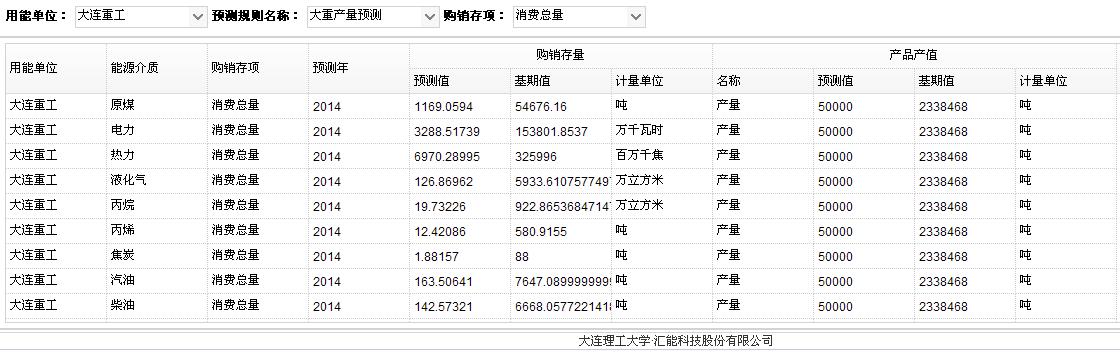
Based on the energy consumption characteristics of the enterprise, establish energy forecasting models. Predict the consumption of various energies (water, electricity, gas, etc.) for a certain period in the future based on product output or industrial total output value plans, and further predict product unit consumption and process energy consumption. The prediction results can also be analyzed. By predicting energy consumption in advance, it can help avoid tight or excessive energy inventory, indirectly helping enterprises reduce the risk of a broken capital chain.
lEconomic Operation Module of Energy System
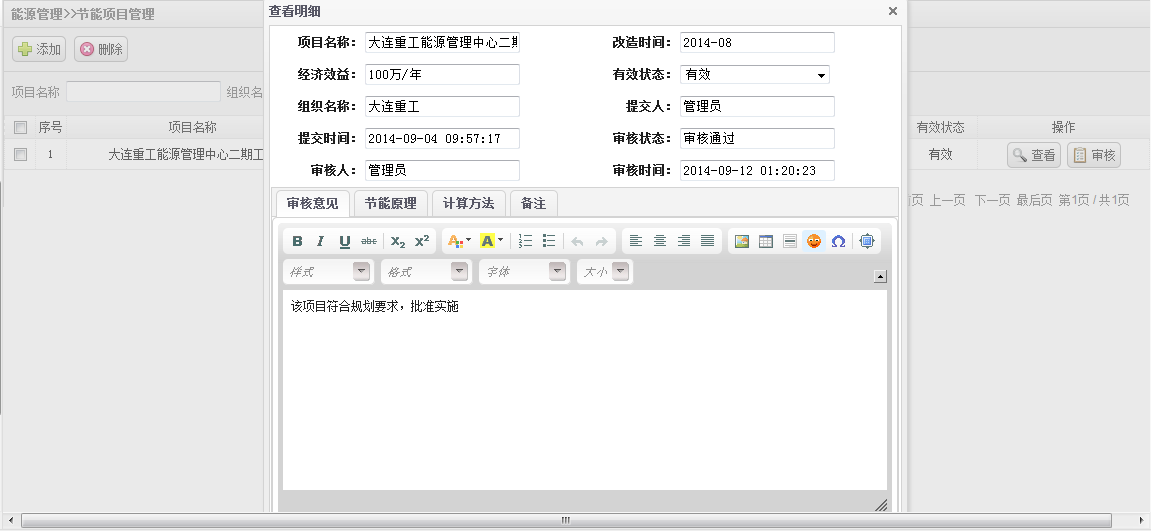
Manage the planning, approval, and archiving of energy-saving projects, and track the implementation progress of energy-saving projects. This facilitates the management of energy-saving technological transformation projects by the enterprise. By tracking the implementation progress of energy-saving projects, effective intervention can be made when the implementation deviates from the established goals; when energy-saving projects are completed, the actual energy-saving amount can be calculated to verify whether the energy-saving projects achieve the expected results.
lBasic Energy Management and Environmental Protection Information Management Subsystem
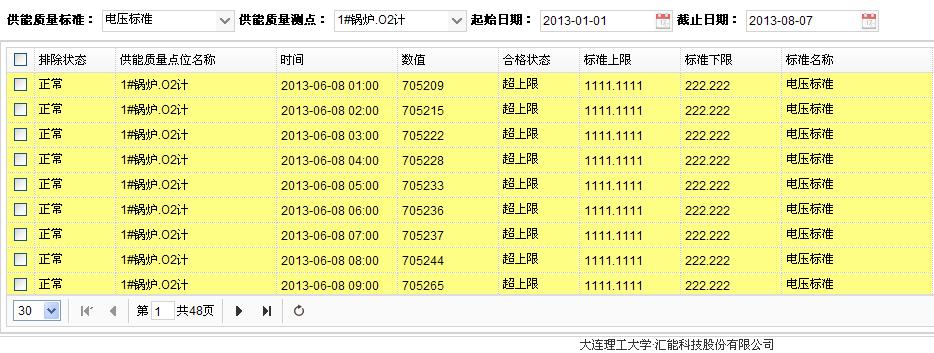
Monitor and manage the quality indicators of energy media such as water, electricity, and natural gas, track and analyze various indicators, and issue timely alarms when energy supply quality anomalies occur. The application of energy supply quality management can prevent quality accidents and ensure the quality of energy supply.
The Energy-Saving and Environmental Protection Management Module mainly includes energy-saving amount audit and assessment, carbon emission analysis.
ØEnergy-Saving Amount Audit and Assessment
Provide enterprises with a quantitative tool for energy-saving amount audit and assessment, helping enterprises accurately reflect the effects of energy-saving measures.
ØCarbon Emission Analysis
By retrieving the physical quantities of various energy-saving measures from the database, calculate the carbon reduction amount, and then sum the carbon reduction amounts of various energies to obtain the total carbon reduction amount for the enterprise. The analysis of the enterprise's carbon emissions quantifies the social benefits brought by energy-saving and emission-reduction efforts.
5. User Benefits
By using smart instruments, PLCs, RTUs, and other automated hardware devices, the labor costs of energy collection work have been reduced.
Through energy forecasting, energy equipment management, energy balance forecasting, and other functional modules, scientific and reasonable statistics and analysis of energy data have been achieved, providing a scientific basis for enterprises to reduce energy consumption.
At the same time, combined with real-time monitoring, energy performance assessment, and other functional modules, the comprehensive energy consumption of enterprises will be reduced by 3% to 15%.